

 Verified

What is Abby? How It Works, Use Cases & Alternatives In 2026, mental health support is becoming more digital and […]
AI Categories: AI Chatbots, Health, Personal Assistant,
AI Tags: #ai chatbots #health #personal assistant
What is Abby? How It Works, Use Cases & Alternatives
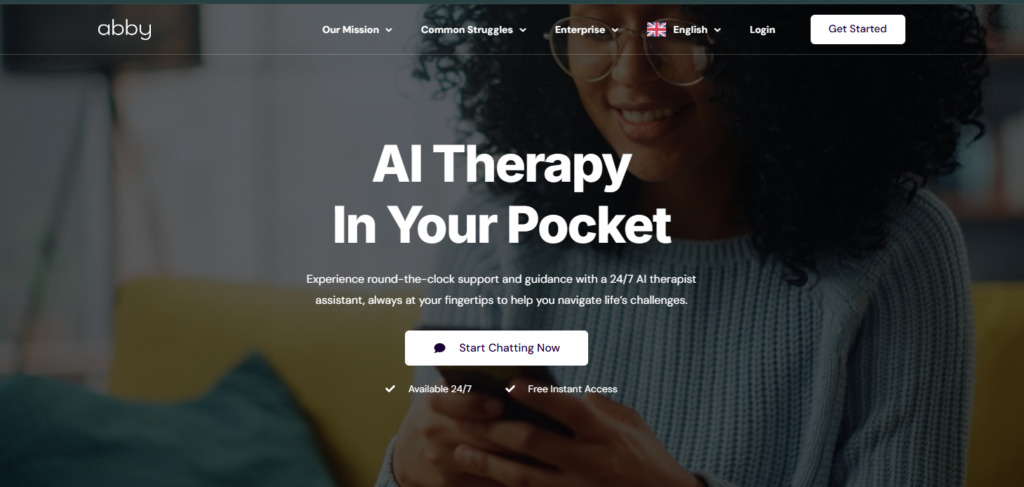
In 2026, mental health support is becoming more digital and accessible. One tool that stands out is Abby. It is an AI-powered therapy assistant designed to give people quick emotional support anytime they need it.
Many people today face stress, anxiety, and pressure from daily life. Not everyone can access a therapist easily. This is where Abby becomes useful. It offers 24/7 support through AI conversations.
Abby is mainly used by students, remote workers, and individuals who want simple emotional guidance. It is not a replacement for professional therapy, but it helps users feel heard and supported in difficult moments.
What is Abby?
Abby is an AI chatbot designed for mental health support. It focuses on emotional well-being and basic therapeutic conversations.
The main goal of Abby is to help users talk about their feelings in a safe and private space. It responds like a supportive assistant and gives guidance based on user input.
It solves a common problem: many people cannot access mental health professionals regularly due to cost, time, or location. Abby tries to fill that gap with instant AI support.
It is built for simple and friendly communication. Users can talk about stress, anxiety, sadness, relationships, or daily struggles.
How Does Abby Work?
Core Technology Behind Abby
Abby uses AI-driven systems that understand human language. It analyzes text input and generates helpful responses based on emotional patterns and conversation context. It is trained to recognize common mental health topics like stress, anxiety, and low mood.
How It Processes User Input
When a user types a message, Abby reads the text and identifies emotional tone. For example, it checks if the message shows sadness, worry, or frustration.
Then it selects a suitable response style. It may offer comfort, advice, or simple coping suggestions.
How It Generates Output
Abby creates responses using natural language processing. It does not copy answers but generates fresh replies based on the situation. The goal is to keep the conversation natural, supportive, and easy to understand.
What Can You Do with Abby?
With Abby, users can do many helpful things:
- Talk about emotional stress
- Share personal problems safely
- Get supportive messages during anxiety moments
- Ask for coping suggestions for daily life pressure
- Practice expressing feelings in words
For example, a student feeling exam pressure can talk to Abby and get calming suggestions. A remote worker feeling isolated can also use it for emotional support. Abby is not medical advice, but it helps users feel less alone.
How Are People Using Abby?
People use Abby in different real-life situations: Students use it to manage exam stress and study pressure. They often talk to Abby during late-night study sessions.
Remote workers use it to reduce loneliness and work burnout. They check in with Abby during breaks. Some users use Abby for daily emotional check-ins. They talk about how their day went and how they feel.
Expat users use Abby to adjust to new countries and cultures. It helps them express feelings in a familiar way. Caregivers also use Abby for emotional balance while taking care of others.
How to Use Abby?
Step-by-Step Guide
Using Abby is simple:
- Open the Abby platform on your browser
- Start a conversation
- Type how you feel or what you need help with
- Read the AI response
- Continue chatting as needed
Tips for Beginners
- Be honest about your feelings
- Use simple sentences
- Talk regularly for better experience
- Treat it like a supportive chat, not medical therapy
Common Mistakes to Avoid
- Do not expect professional diagnosis
- Do not rely only on AI for serious mental health conditions
- Avoid overthinking responses as final advice
How to Access Abby?
Abby is web-based, so you can use it directly from a browser.
It works on:
- Desktop computers
- Mobile phones
- Tablets
There is no need to install heavy software. Some developers may also access it through API integration for building apps. It is designed to be widely accessible with simple internet access.
Key Features of Abby
Abby includes several useful features:
- AI-driven therapy conversations for emotional support
- Multilingual support in 26+ languages
- Daily check-ins to track user well-being
- Encrypted and anonymized communication for privacy
- Coverage of topics like anxiety, depression, trauma, and stress
These features make Abby flexible for different users across the world. It focuses on comfort, privacy, and ease of use.
Abby Pricing
Free Plan
Abby is completely free to use. Users can access all core features without payment.
Paid Plans
Currently, Abby does not require any paid subscription for basic use.
Is It Worth It?
Yes, for users who need basic emotional support, Abby is useful. It is especially helpful for people who cannot access therapy regularly.
However, it should not replace professional mental health care when needed.
Rating Summary
- Ease of Use: 4.8/5
- Features: 4.7/5
- Pricing: 5/5
- Privacy: 4.9/5
- Overall: 4.6/5
Abby performs strongly in accessibility and simplicity.
Benefits of Abby
Abby offers many benefits:
- Always available 24/7
- No cost barrier
- Easy for beginners
- Private and secure chats
- Supports multiple languages
- Helps with emotional expression
It is especially helpful for quick emotional relief.
Limitations of Abby
Even though Abby is useful, it has some limits:
- It is not a licensed therapist
- Lacks deep human emotional understanding
- Not suitable for serious mental health conditions alone
- AI responses may feel general sometimes
Users should understand these limitations before relying on it fully.
How Accurate is Abby?
Abby is fairly accurate for general emotional support. It can recognize common feelings like stress or sadness and respond appropriately.
However, it does not diagnose conditions. Its responses are based on patterns, not medical evaluation. So, it is reliable for guidance and comfort, but not for clinical decisions.
Best Alternatives to Abby
Here are some alternatives to Abby:
ChatGPT
A versatile AI chatbot used for general conversation, learning, and emotional support.
Windsurf
An AI tool focused on productivity and assistance in digital tasks.
Humata AI
Best for document understanding and research-based AI help.
Andi
A conversational search AI that provides quick answers and information.
Each tool has different strengths, but Abby is more focused on emotional support.
Latest Updates (2026)
In 2026, AI mental health tools like Abby are becoming more advanced. They now focus more on privacy, multilingual support, and better emotional understanding. There is also a growing trend of AI tools being used for daily mental wellness tracking. Abby fits into this trend by offering simple and accessible support to users worldwide.
FAQs
Is Abby free?
Yes, Abby is completely free to use.
Is it safe to use?
Yes, it uses encrypted and anonymized communication to protect privacy.
Who should use Abby?
Anyone dealing with stress, anxiety, or emotional pressure can use Abby.
What makes Abby different?
Its 24/7 availability, free access, and multilingual support make it unique.
Final Thoughts
Abby is a helpful AI tool for emotional support in 2026. It is simple, free, and accessible to almost everyone. While it cannot replace professional therapy, it can be a useful companion during stressful moments.
For students, workers, and everyday users, Abby provides a safe space to express feelings and get instant responses anytime.
Abby Reviews
No reviews yet. Be the first to comment!
Best Abby Alternatives AI

What is PDF.ai? How It Works, Use Cases & Alternatives Managing PDF…

What is Afforai? How It Works, Use Cases & Alternatives In 2026,…

What is Skipit.ai? How It Works, Use Cases & Alternatives Skipit.ai is…

What is Metaforms? How It Works, Use Cases & Alternatives Metaforms is…

What is Fluent? How It Works, Use Cases & Alternatives Fluent is…

What is Claude? How It Works, Use Cases & Alternatives Claude is…

What is Laion? How It Works, Use Cases & Alternatives Laion is…

What is Perplexity? How It Works, Use Cases & Alternatives Perplexity is…
Leave a Reply